WE NOT ONLY PUMP YOUR TANK - WE CLEAN IT!
WE NOT ONLY PUMP YOUR TANK - WE CLEAN IT! Up to 36 Months Financing Available
Call Septic Blue Now 813-355-9188
It's Easier Schedule Online
WE NOT ONLY PUMP YOUR TANK - WE CLEAN IT!
WE NOT ONLY PUMP YOUR TANK - WE CLEAN IT! Up to 36 Months Financing Available
Call Septic Blue Now 813-355-9188
It's Easier Schedule Online


Are you buying a property with a septic system for the first time? Do you have a kitchen remodel planned? If so, you might be wondering if you can install or keep a garbage disposal. The reality is that combining these systems is a recipe for disaster. Garbage disposal systems are designed to grind food waste and send it directly into your on-site wastewater treatment unit. This can drastically increase solid sludge in the tank and prompt frequent septic pumping sessions in Tampa, FL. Here are key considerations to ensure you make an informed decision.
One of the biggest concerns is that a garbage disposal can add organic material to the septic tank. Unlike wastewater from sinks or showers, food particles need to be broken down and processed. While naturally occurring bacteria in the tank can decompose some organic matter, repeatedly using your garbage disposal can send large quantities of scraps into the tank. With this in mind, using your disposal repeatedly adds an extra source of waste, increasing the frequency of septic cleaning sessions to maintain functionality.
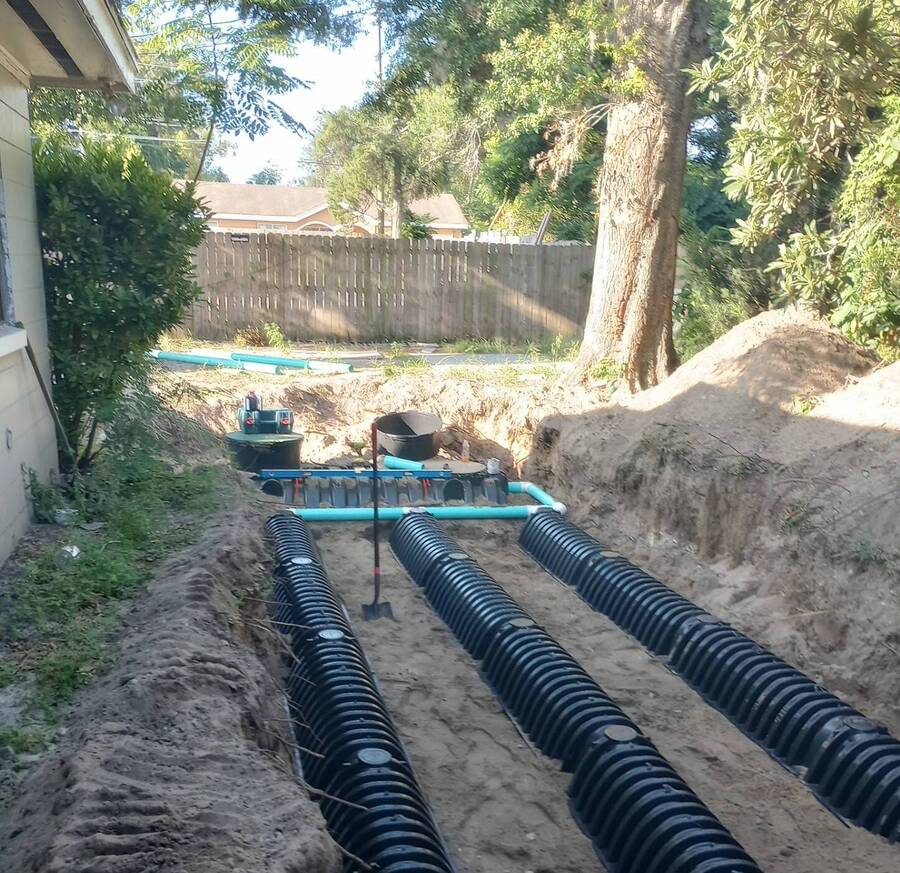
Did you know that a residential septic system can hold up to 1,500 gallons of wastewater? While this capacity is sufficient for wastewater from your home, adding a garbage disposal can increase the overall solid load over time. Even if the impact is not instantaneous, solids in the tank can build up and obstruct wastewater flow if left unchecked. A system that can’t separate wastewater properly is not only a hazard to the environment but also causes slow drains in your home. If you don’t want to make frequent calls to your local septic company for maintenance, a garbage disposal might not be a wise investment.
As mentioned, beneficial bacteria in the tank can break down some organic matter in the tank. However, not all foot scraps are biodegradable, and often do more harm if left in the tank. If you install a garbage disposal, refrain from throwing fibrous vegetables, coffee grounds, eggshells, bones, fruit pits, and other dense materials in the grinding compartment. Additionally, greasy or fatty foods can create additional problems because fats and oils contribute to scum buildup. Smaller doesn’t automatically mean septic-friendly, as ground food waste can still strain your septic system and cause failure down the line.
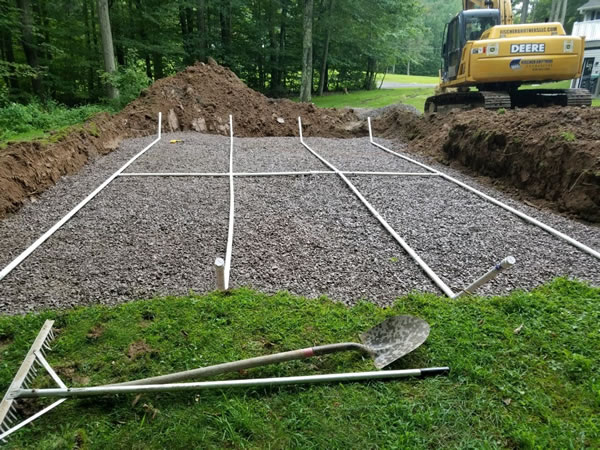
The drain field is one of the most important components of your wastewater treatment system. After wastewater is separated from solids and scum, it moves into the drain field for further treatment and dispersal. If food waste from the garbage disposal significantly increases the sludge level in the tank, solids can reach the drain field and wreak havoc. The last thing you want is clogged soil or faulty distribution components reducing the drain field’s ability to absorb wastewater. A small problem that begins in the kitchen can escalate into a bigger issue farther underground that requires emergency septic cleaning.
Although a garbage disposal is not automatically a cause for septic disasters, it is not without blame. Every load of food scraps that ends up in the septic tank becomes part of the workload and overwhelms the entire system. If you want to install a garbage disposal unit, limiting usage, keeping troublesome materials away from the drain, and staying consistent with septic service checks can make a big difference. Contact Septic Blue of Tampa to schedule a consultation with our experts and implement the best approach for your needs. We can assess your layout, disposal needs, and future expansions to tailor a maintenance plan that keeps your system working properly all year round.

Not every septic system can rely on gravity to move…
Read More+
On-site wastewater treatment systems rarely fail without giving some kind…
Read More+
Are you buying a property with a septic system for…
Read More+