WE NOT ONLY PUMP YOUR TANK - WE CLEAN IT!
WE NOT ONLY PUMP YOUR TANK - WE CLEAN IT! Up to 36 Months Financing Available
Call Septic Blue Now 813-355-9188
It's Easier Schedule Online
WE NOT ONLY PUMP YOUR TANK - WE CLEAN IT!
WE NOT ONLY PUMP YOUR TANK - WE CLEAN IT! Up to 36 Months Financing Available
Call Septic Blue Now 813-355-9188
It's Easier Schedule Online


A septic system can work quietly for years, making it easy to forget about the tank buried in your yard. However, wastewater solids accumulate over time, and without regular septic pumping and inspections, those materials can interfere with normal system operation. When neglected maintenance leads to clogged pipes, damaged components, or a failing drain field, repair costs can climb into the thousands of dollars. Keeping up with routine septic cleaning and pumping in Tampa, FL is a practical way to protect your property, avoid preventable breakdowns, and extend the service life of your system.
Routine septic tank pumping removes accumulated sludge and floating scum before they build up to problematic levels. The cost varies by tank size, location, accessibility, and local service rates, but pumping is generally far less expensive than repairing or replacing a damaged drain field.
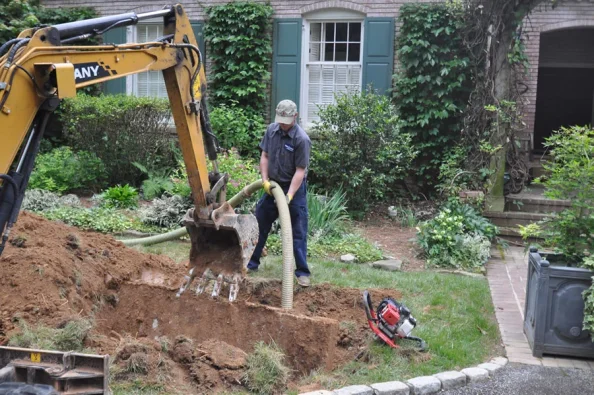
Major septic repairs may involve excavating buried pipes, replacing failed components, correcting drainage problems, or installing a new drain field. If wastewater solids escape the tank and enter the drain field, they can clog the soil and reduce its ability to absorb wastewater. Depending on the extent of the damage, restoration may require substantial excavation and specialized work.
Regular septic cleaning and pumping cannot prevent every septic failure, but it reduces the risk of problems caused by excessive solids accumulation. Spending money on scheduled maintenance can help homeowners avoid larger expenses that develop when warning signs go unnoticed.
Tank capacity, the number of occupants, daily water use, and the amount of waste entering the system all affect how quickly solids accumulate. Many household septic tanks need septic cleaning and pumping approximately every three to five years, although some require more frequent service.
A smaller tank serving a large family may fill with solids faster than a larger tank used by one or two people. Garbage disposals can also increase the amount of solid material entering the system. A professional inspection by a professional septic company can help determine an appropriate pumping interval based on the tank's actual condition rather than relying solely on a general guideline.

Your toilet may seem like a convenient way to get…
Read More+
A septic backup can turn a normal day into a…
Read More+
A septic system has a limited capacity, and the number…
Read More+Changes in your plumbing can indicate that your septic system needs inspection. Drains that repeatedly run slowly, toilets that gurgle, sewage odors around the property, and unusually wet ground near the drain field may point to a developing problem. Wastewater backing up into the home is a more urgent warning that requires attention.
These symptoms do not always mean the tank needs septic pumping. A blocked pipe, damaged baffle, saturated drain field, or other defect may be responsible. Having a professional septic company evaluate the system will help you identify the cause before unnecessary pumping or inappropriate repairs add to the expense.
Maintenance also depends on what enters the plumbing system. Avoid flushing wipes, sanitary products, grease, and other materials that do not break down readily. Spread laundry loads throughout the week to reduce sudden surges of wastewater, and repair leaking toilets or faucets that send excess water into the tank.
Keep vehicles and heavy equipment away from the drain field, and avoid planting trees with aggressive roots near septic pipes. These simple precautions reduce strain on the system and help protect underground components from damage.
Believe it or not, “going with the flow” isn’t always the best approach when it comes to septic maintenance. By staying on top of routine septic pumping and following proper care guidelines, you can prevent issues that come with a full septic tank and keep the system flowing smoothly. If you’re looking for a dependable septic company offering professional services, get in touch with Septic Blue of Tampa. You can count on our team for quality service, transparent pricing, and professional integrity. Call us now to request septic service!