WE NOT ONLY PUMP YOUR TANK - WE CLEAN IT!
WE NOT ONLY PUMP YOUR TANK - WE CLEAN IT! Up to 36 Months Financing Available
Call Septic Blue Now 813-355-9188
It's Easier Schedule Online
WE NOT ONLY PUMP YOUR TANK - WE CLEAN IT!
WE NOT ONLY PUMP YOUR TANK - WE CLEAN IT! Up to 36 Months Financing Available
Call Septic Blue Now 813-355-9188
It's Easier Schedule Online

.webp)
As a property owner with an onsite wastewater system, you’ve probably seen your fair share of septic tank backups. While these situations aren’t fun to deal with, they can be worse if you don't know who to call during emergencies. Additionally, the cost of repair, pumping, and remediation can leave a significant dent in your finances. At Septic Blue of Tampa, we understand the crucial role these systems play in managing household waste. If you want to prevent devastating and costly scenarios, taking a more proactive approach towards maintenance can make a big difference. Let’s explore helpful tips to keep your system in working order year-round.
A properly installed and maintained septic system is key to optimum performance and longevity. However, issues can arise over time that can go undetected until it is too late. Routine inspections by a reputable septic company in Tampa, FL cover all the areas, catching small issues before they escalate into bigger problems. By prioritizing regular visits by a professional, you can prevent costly repairs and premature replacements. Also, a thorough assessment of your layout provides insight into the system’s condition and performance, helping create a tailored maintenance plan that meets your specific needs.
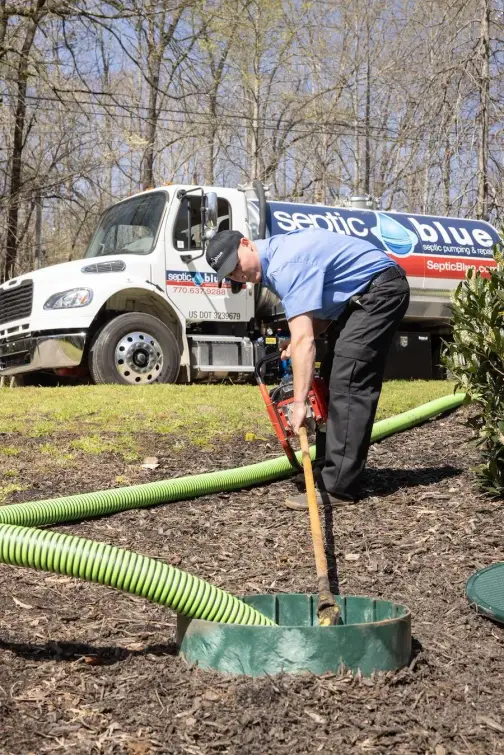
The general rule of thumb is that septic pumping should be done every three to five years. However, the frequency depends on crucial factors like tank size, number of household members, and water usage. Although septic systems are sturdy and are designed to last for decades, ignoring routine septic cleaning can lead to blockages in the drain field and even backups in your living spaces. If you cannot recall your previous septic pumping session, hire a reputable septic service provider for advice and guidance on how to keep your system running smoothly for years to come.
Septic systems are designed to handle organic, degradable waste. Unfortunately, most homes no longer dispose of human waste and toilet paper only, leading to clogs, backups, and inefficiencies. Although manufacturers may label products as "flushable," it does not make them safe for your septic system. Some of these products to look out for include feminine hygiene products, hand towels, wet wipes, diapers, and medication. Also, prolonged use of chemical cleaners can disrupt the naturally occurring bacteria in the tank, leading to waste buildup, overflows, and other hazardous scenarios.
Septic systems come in various sizes, meaning they hold different volumes of wastewater. With this in mind, doing all your laundry in one load or undertaking other heavy water usage tasks can overwhelm the system and cause inefficiencies. The most effective way to avoid such messy surprises is to avoid doing all your laundry loads in one day, but rather spread the loads throughout the week to give your system time to treat wastewater properly. As mentioned, this approach is not limited to laundry, and it can apply to washing dishes, irrigation, and cleaning the vehicle.
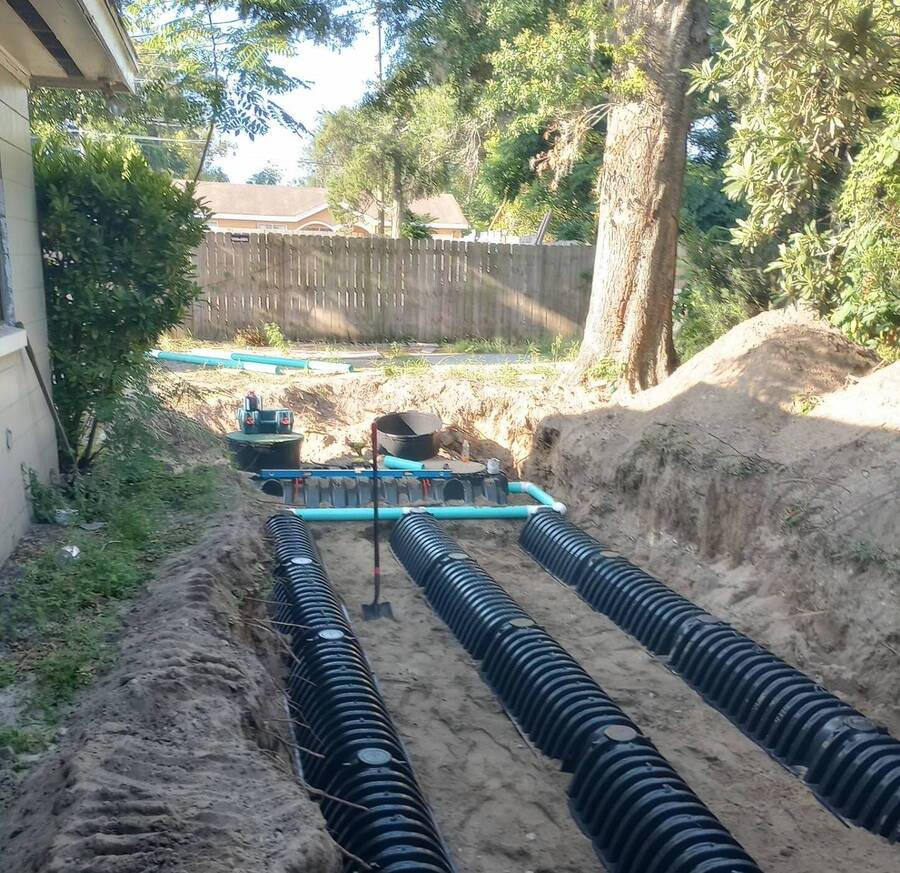
Septic systems comprise two main parts: the tank and the drain field. Even though the entire system is underground, it is not invisible. One of the ways you can protect these vital components from damage and excess water runoff is to be more cautious of your activities. Do not drive or build over the system, as it could lead to pipe damage, leaks, and contamination. Moreover, drain field damage can leave a huge dent in your finances.
There’s a widespread myth that a septic system is an…
Read More+
You smell a strong odor of rotten eggs or sulfur…
Read More+
Unfortunately, many property owners treat their septic systems with a…
Read More+Even with the best habits, professional maintenance is crucial for long-term health. Contact Septic Blue of Tampa to book a consultation with our experts and learn more ways to get the most out of your wastewater system.