WE NOT ONLY PUMP YOUR TANK - WE CLEAN IT!
WE NOT ONLY PUMP YOUR TANK - WE CLEAN IT! Up to 36 Months Financing Available
Call Septic Blue Now 813-355-9188
It's Easier Schedule Online
WE NOT ONLY PUMP YOUR TANK - WE CLEAN IT!
WE NOT ONLY PUMP YOUR TANK - WE CLEAN IT! Up to 36 Months Financing Available
Call Septic Blue Now 813-355-9188
It's Easier Schedule Online

You probably don’t think much about your septic tank until something goes wrong. It’s only when the drains become sluggish or sewage flows back into the drains that most homeowners take action. But did you know that certain household habits can wreak havoc on your septic tank? They may seem harmless, but they have a serious impact on the functioning of your septic system.
Many homeowners unknowingly harm their septic systems with small daily actions. Simple things like flushing wet wipes down the toilet can clog your septic tank and leave you with a septic disaster on your hands. And over time, these mistakes can lead to costly repairs, health hazards, and even premature septic failure. In this post, Septic Blue of Tampa looks into the common household habits that can damage your septic tank.
Your toilet is not a trash can. Flushing non-biodegradable items is one of the fastest ways to damage your septic system. Common culprits include:
Even wipes labeled “septic-safe” break down much slower than toilet paper. These items accumulate in the tank, clog pipes, and can block the drain field. Only flush human waste and septic-safe toilet paper.
It may seem harmless to pour liquid grease and cooking oils down the sink, but this is one of the most damaging habits for septic tanks. Apart from clogging pipes when these substances solidify, they can disrupt the natural bacterial balance in the tank. To protect your septic tank, never pour grease, cooking oils, or fat down the sink. Allow them to cool and solidify, then scrape them into the regular trash bin.
A septic tank is designed to hold a limited water capacity based on its size. The average residential septic tank size usually ranges from 1,000 to 1,500 gallons, commonly serving 3-to 4-bedroom homes. When the capacity is exceeded, the excess water makes it hard for the tank to process the wastewater. Water overload can harm the septic tank’s bacteria, overwhelm the drain field, and necessitate frequent septic pumping.
There’s a widespread myth that a septic system is an…
Read More+
You smell a strong odor of rotten eggs or sulfur…
Read More+
Unfortunately, many property owners treat their septic systems with a…
Read More+Household chemicals such as bleach, drain cleaners, antibacterial soaps, and laundry detergents may be effective at cleaning and disinfecting, but they can harm your septic tank. Remember, your septic tank contains beneficial bacteria that helps break down waste inside the tank for discharge into the drain field. The chemicals we’ve highlighted can kill the bacteria and interfere with the process of waste breakdown.
When the bacteria inside a septic tank die, the tank fills up faster and could lead to clogs, backups, and even a failed drain field. To keep a chemical-free septic tank, limit the use of bleach, avoid using chemical drain cleaners, use septic-safe detergents, and schedule regular septic pumping.
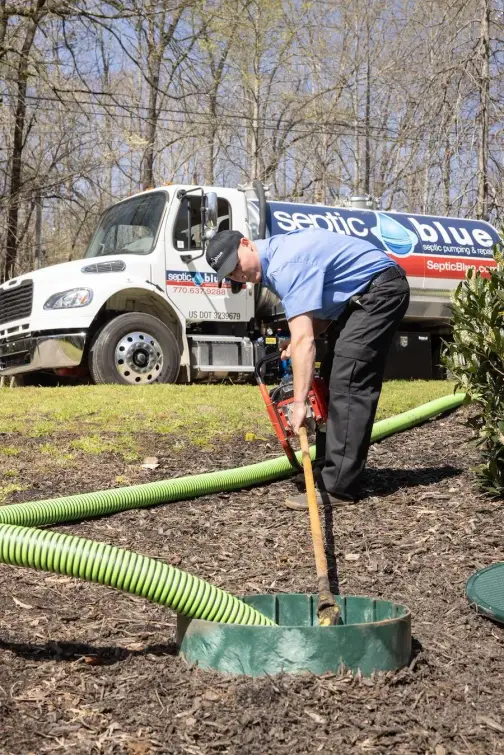
Many homeowners forget routine septic maintenance until there’s a problem. Sludge builds up over time, and if the tank isn’t pumped every 3–5 years (depending on household size), solids can overflow into the drain field. Follow a consistent pumping schedule recommended by a licensed septic service provider in Tampa, FL.
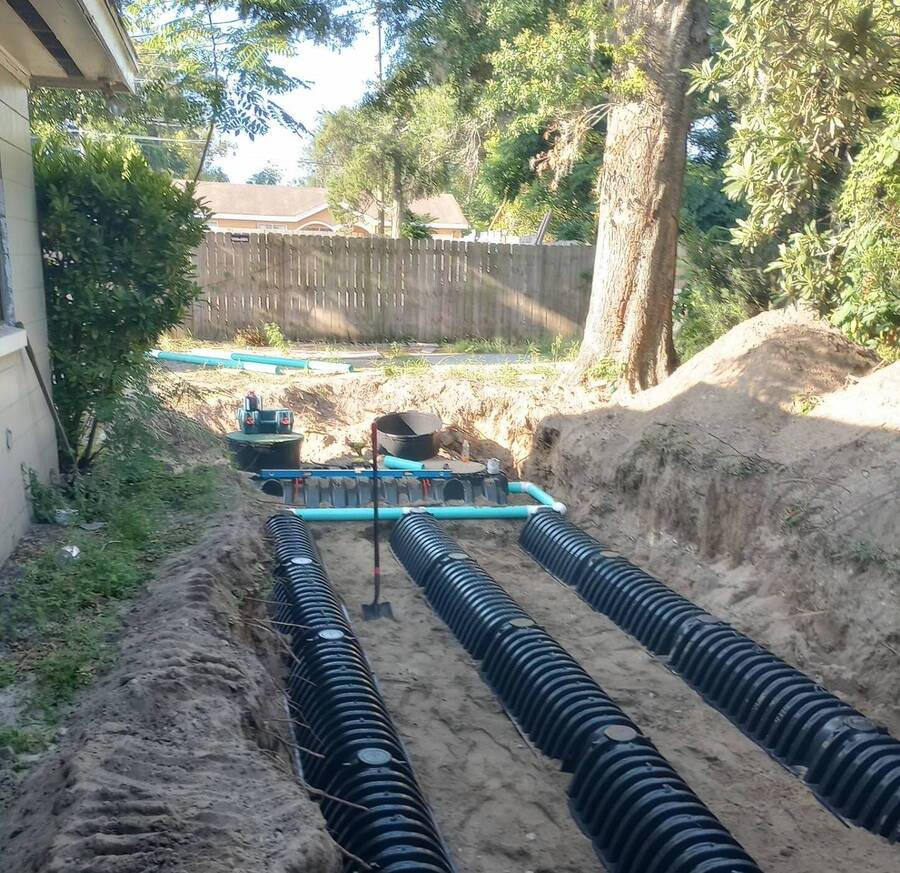
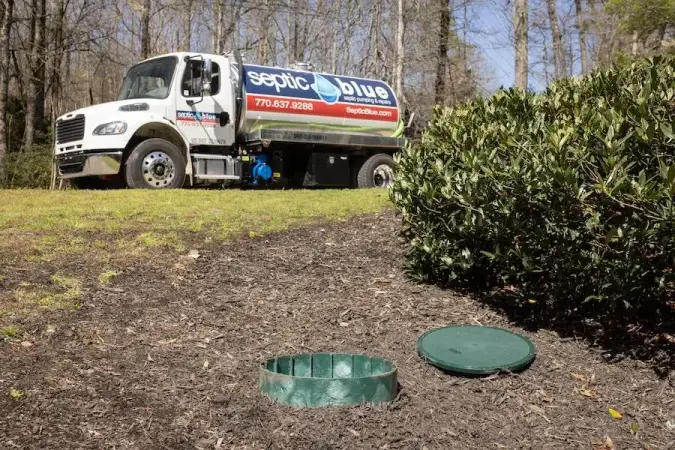
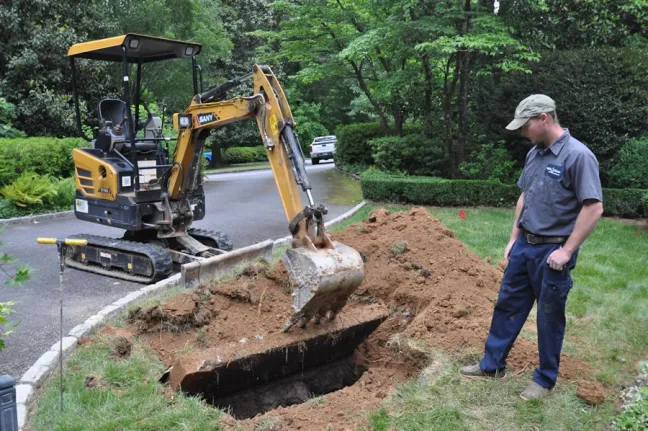
Looking for a reliable septic company? Get in touch with Septic Blue of Tampa. Locally owned and operated, we specialize in septic cleaning, new installations, drain field replacement, repairs, and more. When you call us for septic help, you’re partnering with a dependable company that can be trusted to do the job right. Call us now to schedule septic service.