WE NOT ONLY PUMP YOUR TANK - WE CLEAN IT!
WE NOT ONLY PUMP YOUR TANK - WE CLEAN IT! Up to 36 Months Financing Available
Call Septic Blue Now 813-355-9188
It's Easier Schedule Online
WE NOT ONLY PUMP YOUR TANK - WE CLEAN IT!
WE NOT ONLY PUMP YOUR TANK - WE CLEAN IT! Up to 36 Months Financing Available
Call Septic Blue Now 813-355-9188
It's Easier Schedule Online

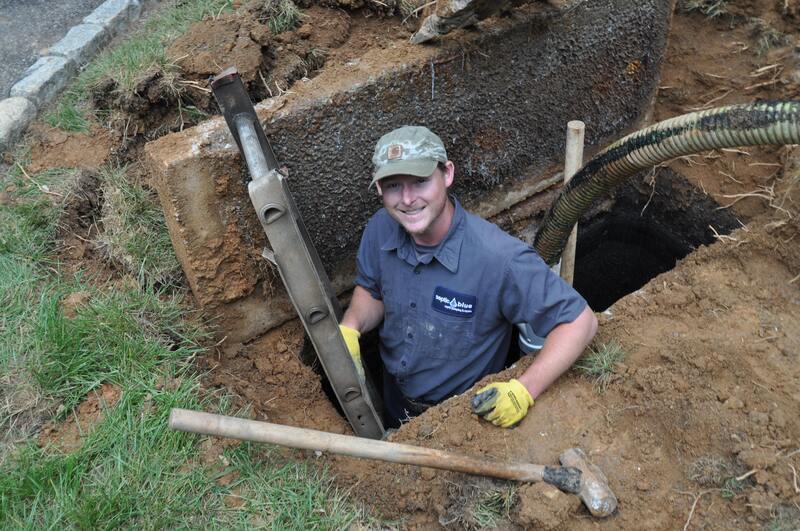
Ever wondered how septic systems work and why they fail at some point? If you rely on a septic system for wastewater treatment, it’s important to understand how it works and what should be done to keep it in good working condition. In addition, it’s a good idea to work with a professional septic service provider in Tampa, FL to keep your system in top shape. In this post, the experts at Septic Blue of Tampa explain how septic systems work and why they fail.
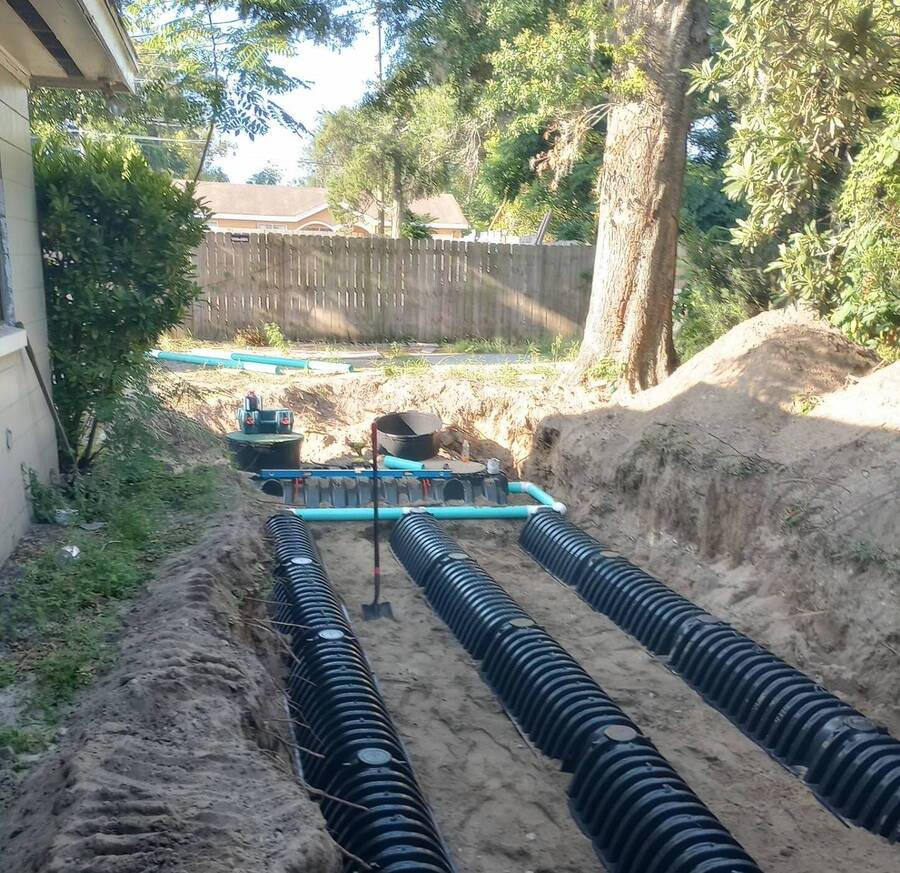
At its core, a septic system has two main components: the septic tank and the drainfield (also known as a leach field). Wastewater from your home flows into the septic tank, where solids, liquids, and oils separate naturally.
Inside the tank, heavy solids settle at the bottom to form sludge, while lighter materials like grease float to the top as scum. In between these layers is a relatively clear liquid called effluent. Naturally occurring bacteria break down some of the solid waste, reducing its volume.
The effluent then flows out of the tank into the drainfield through a series of perforated pipes. Here, the wastewater is filtered through soil, which removes harmful bacteria, viruses, and nutrients before the water returns to the groundwater system. When all parts are functioning correctly, the process is efficient, safe, and environmentally friendly.
Top Reasons Why Septic Systems Fail
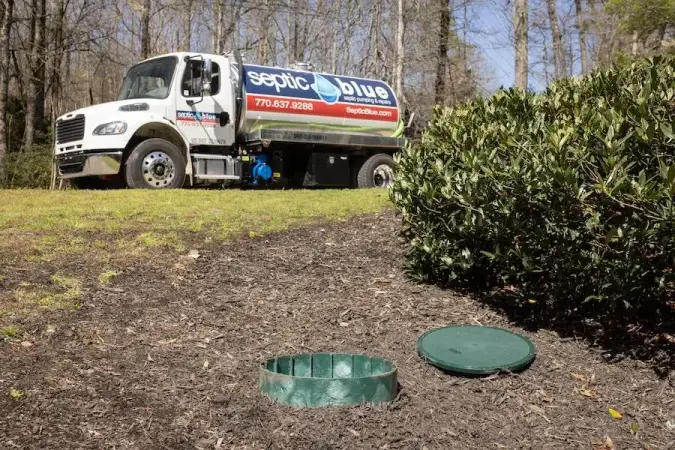
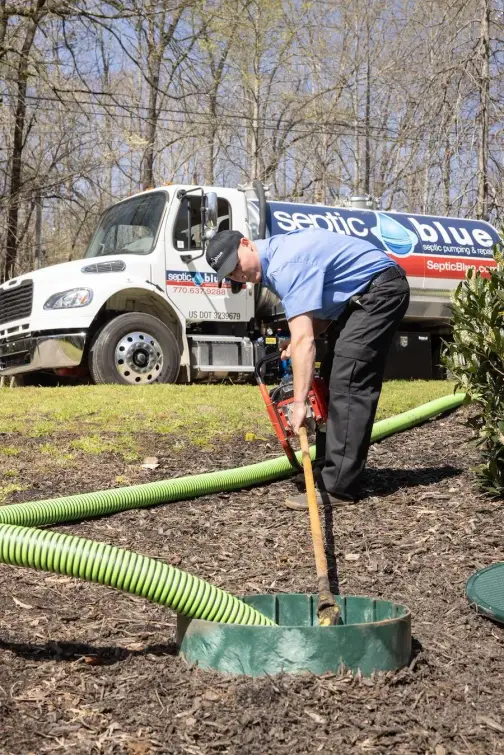
The most common cause of septic failure is failing to pump the tank, allowing solids to overflow from the tank into the drain field. Besides, a full septic tank compromises waste decomposition inside the tank, causing foul odors and blockages. It’s advisable to pump out your septic tank when the combined sludge and scum layer occupies 25% to 30% of the tank’s total volume. Regular septic pumping improves the efficiency of your system and protects the drain field. Reach out to Septic Blue of Tampa when you need professional septic tank pumping service.
Ever wondered how septic systems work and why they fail…
Read More+
While it is technically possible to go for years without…
Read More+
Finding a reliable septic company can be a frustrating experience,…
Read More+Too much water entering the septic system at once—from inefficient plumbing fixtures, high-volume laundry days, or excessive water use—prevents proper solid separation and overwhelms the drain field. This is another common cause of septic system failure. Here are tips to prevent hydraulic overloading in septic system:
You’ll know you have hydraulic overloading when you face widespread slow drains, sewage backups, foul odors near the drain field, or pooling water over the drain field. Get in touch with a local septic service provider when you notice signs of septic problems.
Disposing of non-biodegradable items or chemical substances down the drain kills the essential bacteria that break down waste inside the septic tank. Ineffective bacteria inside the septic tank can lead to sludge accumulation, system failures, foul odors, and increased expenses. To keep your septic system in good working order, only flush human waste and toilet paper—nothing else. And call a local septic company when you notice signs of trouble.
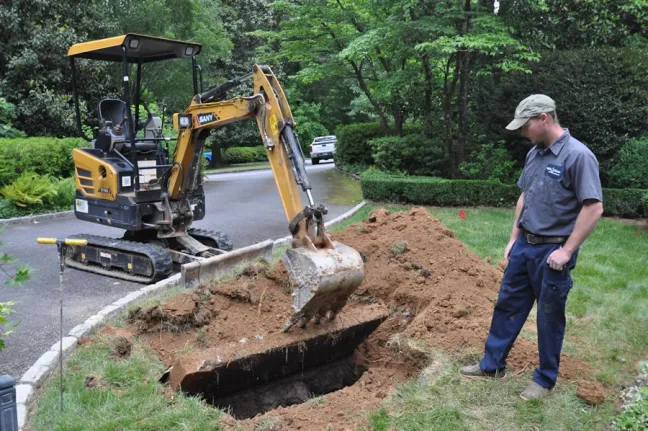
If you’re looking for a trusted septic company offering professional septic services, look no further than Septic Blue of Tampa. We are a locally owned and operated septic service provider with years of industry experience and a proven track record. Our team takes great pride in offering quality services at fair rates. Whether you need a new septic tank installation or septic cleaning, we’ve got you covered. Call us now for dependable septic services.