WE NOT ONLY PUMP YOUR TANK - WE CLEAN IT!
WE NOT ONLY PUMP YOUR TANK - WE CLEAN IT! Up to 36 Months Financing Available
Call Septic Blue Now 813-355-9188
It's Easier Schedule Online
WE NOT ONLY PUMP YOUR TANK - WE CLEAN IT!
WE NOT ONLY PUMP YOUR TANK - WE CLEAN IT! Up to 36 Months Financing Available
Call Septic Blue Now 813-355-9188
It's Easier Schedule Online

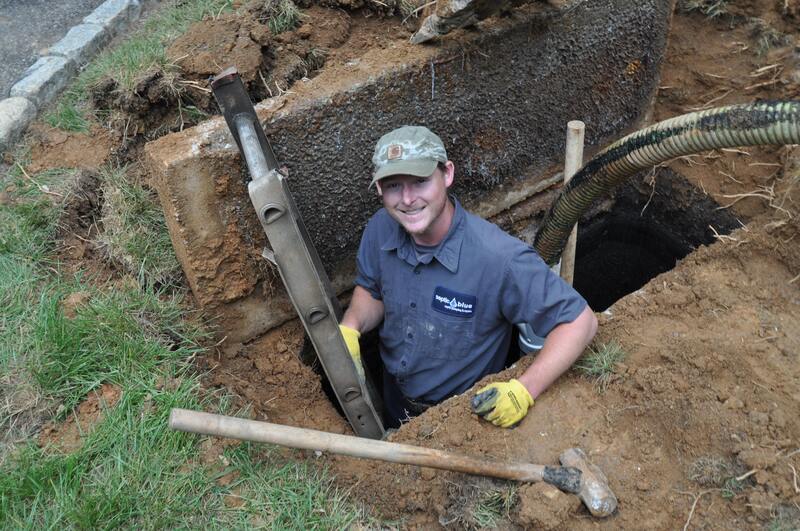
Do you have a septic system in your backyard? Are you moving into a new home with an on-site wastewater system? If so, understanding how your septic system works is essential for maintaining optimal longevity and efficiency. At Septic Blue of Tampa, we provide comprehensive services tailored to your needs, which include sharing pertinent information about your system. Many people rarely think about their septic tanks and drain fields until issues arise that need professional expertise to resolve. This should not be the case, as small issues can escalate into bigger, more expensive problems down the line. Here’s a breakdown of how your wastewater system works.
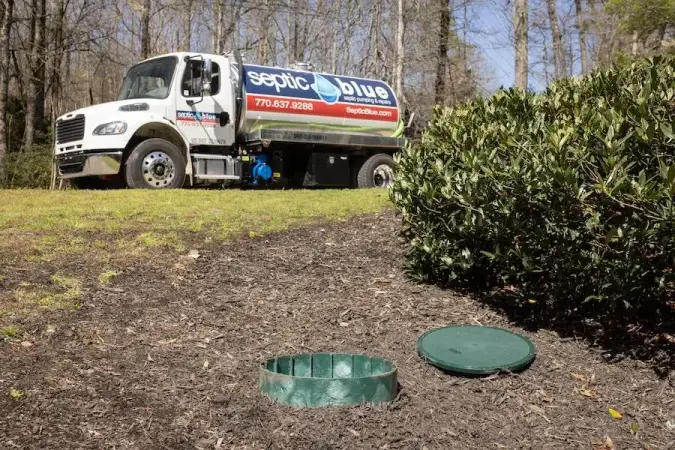
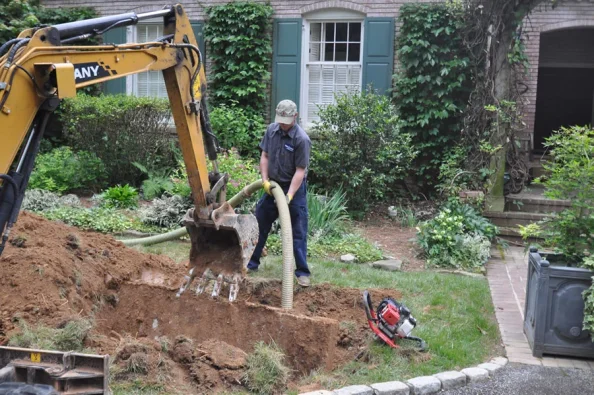
A septic tank is a watertight container, typically made of fiberglass, concrete, or polyethylene. Septic service providers in Tampa, FL install tanks underground, collecting wastewater from your home. Let’s delve into what happens in the tank to ensure you provide better care.
As stated, wastewater from your drains enters the septic tank for storage. The tank relies on beneficial bacteria to break down solid waste into three layers: sludge, scum, and liquid effluent. Sludge is heavier and denser, easily sinking to the bottom. Scum, which consists of grease and oils, is lighter and floats to the top. The liquid waste in the middle flows through filters and into the drain field for further filtration.
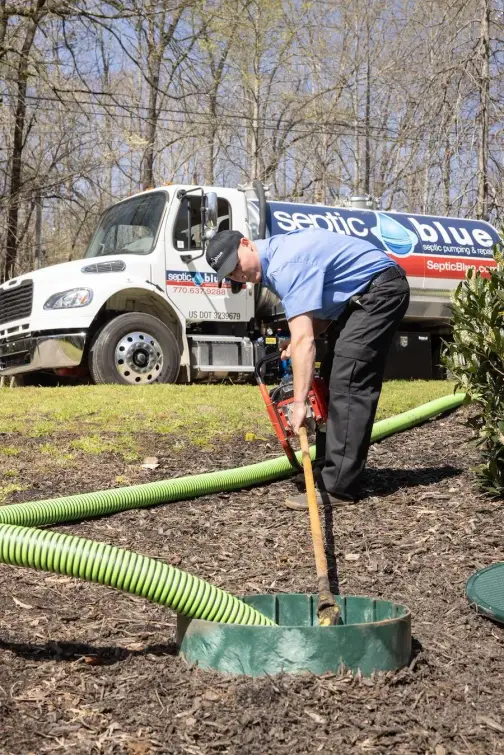
The beneficial bacteria in the tank naturally break down organic matter in wastewater, reducing the amount of solid waste in the tank. While natural decomposition keeps sludge and scum levels in check, routine pumping every three to five years is key to preventing overflows, backups, and environmental hazards.
The liquid wastewater in the middle of the tank flows from the septic tank to the drain field. This process is facilitated by the tank’s design, which allows effluent to exit while keeping solids contained. If you ignore routine septic cleaning and repair, solid waste can escape into the leach field and clog the system.
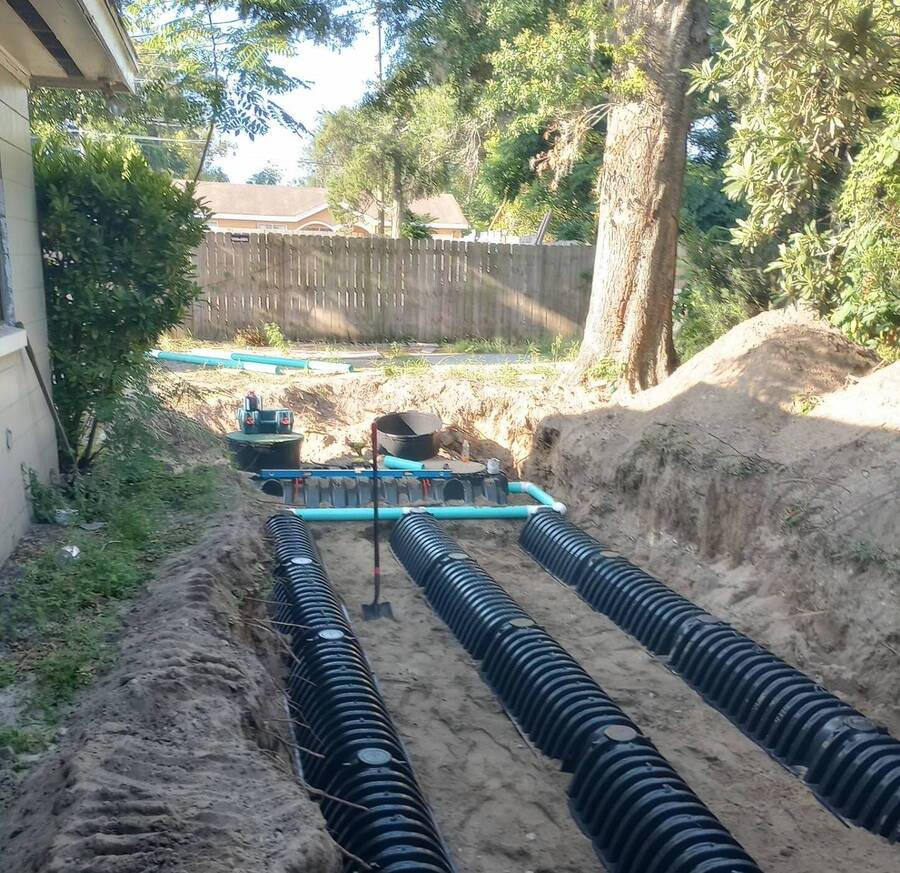
The drain or leach field is a shallow excavation in the soil that is properly covered. Unlike the tank, it is designed to further treat wastewater by allowing it to percolate through the soil. Here’s how the drain field works to keep your system running smoothly and efficiently.
Ever wondered how septic systems work and why they fail…
Read More+
While it is technically possible to go for years without…
Read More+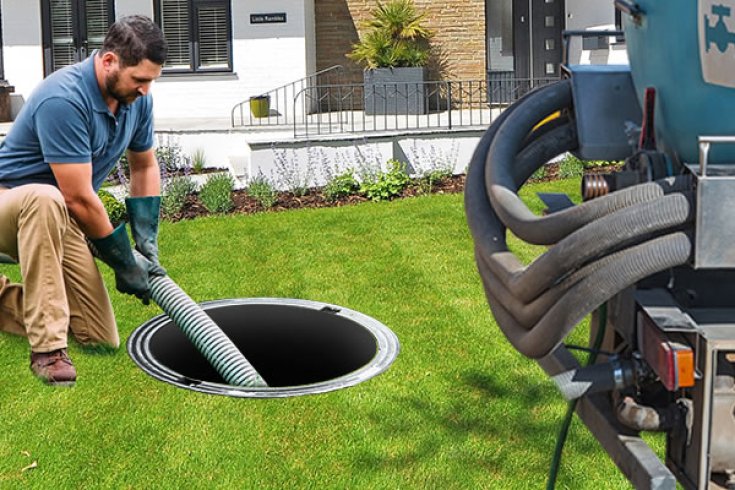
Finding a reliable septic company can be a frustrating experience,…
Read More+The effluent from the septic tank is distributed through a network of perforated chambers and pipes buried in sand- or gravel-filled trenches. This process allows the wastewater to evenly disperse into the surrounding soil.
As the effluent percolates through the soil, it is filtered before joining groundwater and nearby water sources. Soil filtration is effective in removing harmful viruses, bacteria, and nutrients, all of which pose serious safety and health risks. Furthermore, naturally occurring microorganisms in the soil break down any remaining organic matter, treating the wastewater before it reaches nearby ecosystems.
Just like other vital systems in your home, routine care is key to reliable and efficient septic operations for years to come. One of the main aspects of septic maintenance is pumping. According to industry experts, septic pumping every 3-5 years is necessary for a safe home and environment. However, the frequency can vary, depending on tank size, water usage, and the number of household members.
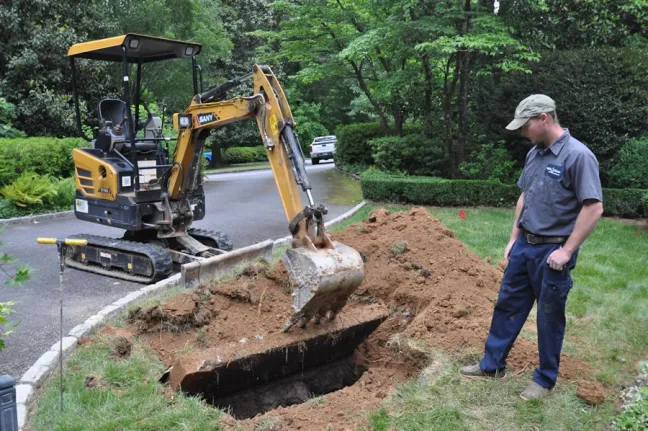
Routine septic cleaning visits not only focus on pumping out waste but also inspect for hidden signs of damage. A professional septic technician can pinpoint small issues that DIYers often miss, preventing further damage and costly repairs.
Contact us today at Septic Blue of Tampa and book an appointment with our certified experts. We leverage extensive experience and expertise to inspect, diagnose, and address underlying issues before they get out of hand.