WE NOT ONLY PUMP YOUR TANK - WE CLEAN IT!
WE NOT ONLY PUMP YOUR TANK - WE CLEAN IT! Up to 36 Months Financing Available
Call Septic Blue Now 813-355-9188
It's Easier Schedule Online
WE NOT ONLY PUMP YOUR TANK - WE CLEAN IT!
WE NOT ONLY PUMP YOUR TANK - WE CLEAN IT! Up to 36 Months Financing Available
Call Septic Blue Now 813-355-9188
It's Easier Schedule Online

Your septic tank is buried in the yard doing its job, and you probably haven't thought about it in years. Skipping routine pumping seems harmless when everything drains fine, then one morning the toilets back up and you realize the money you saved wasn't savings at all. Septic Blue of Tampa is here to help. Asking whether septic maintenance is worth the cost is completely reasonable, and the answer requires looking at what you're paying to prevent. Keep reading for a realistic breakdown of the numbers, the risks, and what smart maintenance actually looks like for your wallet and your property.
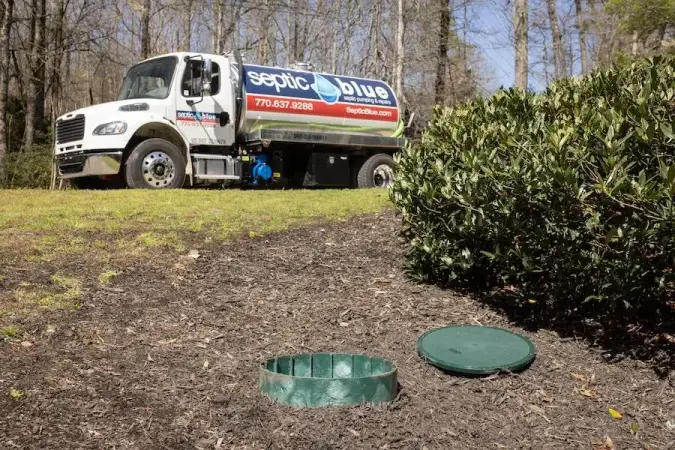
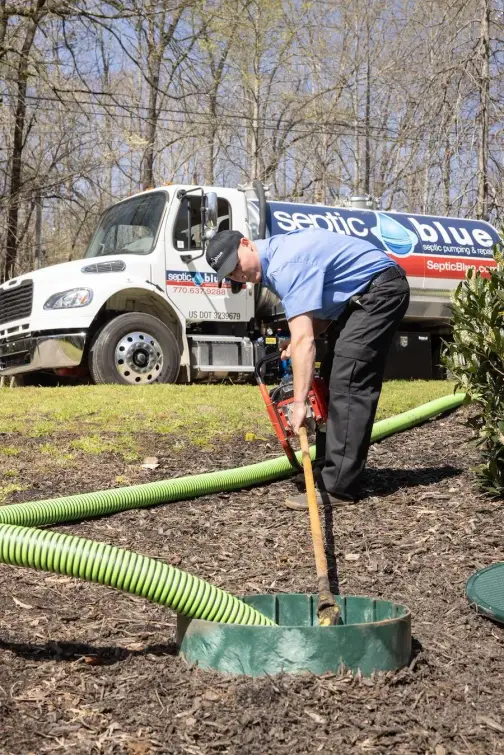
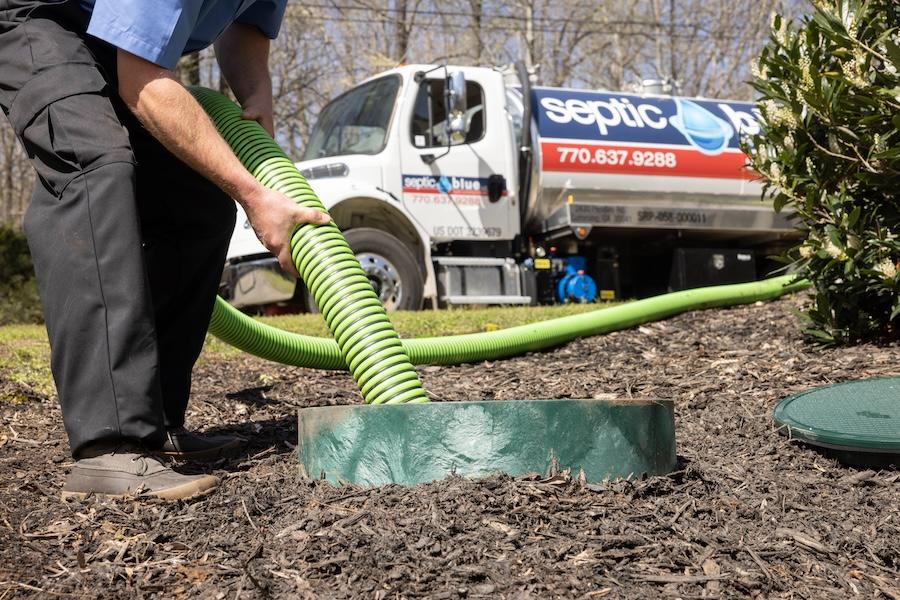
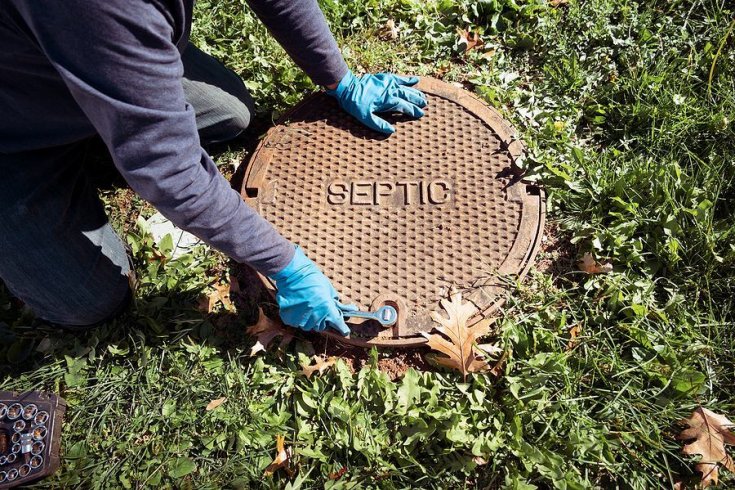
Septic maintenance isn't complicated, but most homeowners don't know what happens during a service visit. A technician arrives, locates your tank access points, and removes the lid to inspect the contents. They measure the scum layer floating on top and the sludge layer that settles at the bottom. When those layers take up too much space, they pump everything out through a large vacuum hose connected to a truck. The process takes about thirty to forty-five minutes for a standard residential tank. During septic pumping, the technician also checks the baffles, which direct wastewater flow and prevent solids from escaping into your drain field. Cracked or missing baffles cause major problems, so catching damage early saves thousands. Technicians can also run water through the system to confirm proper drainage and inspect visible pipes for cracks or root intrusion. Septic cleaning removes the waste as well as the buildup that accumulates on tank walls and components.
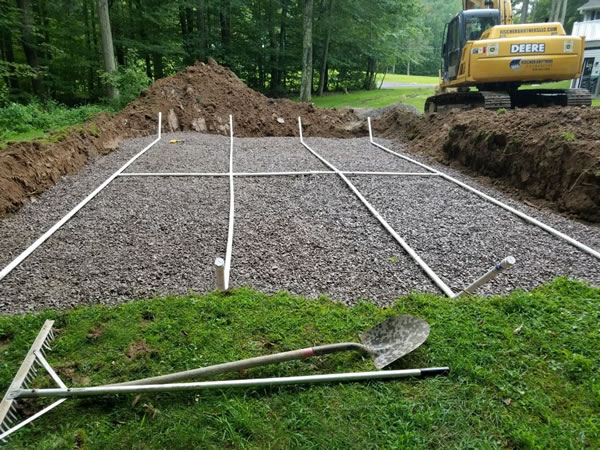
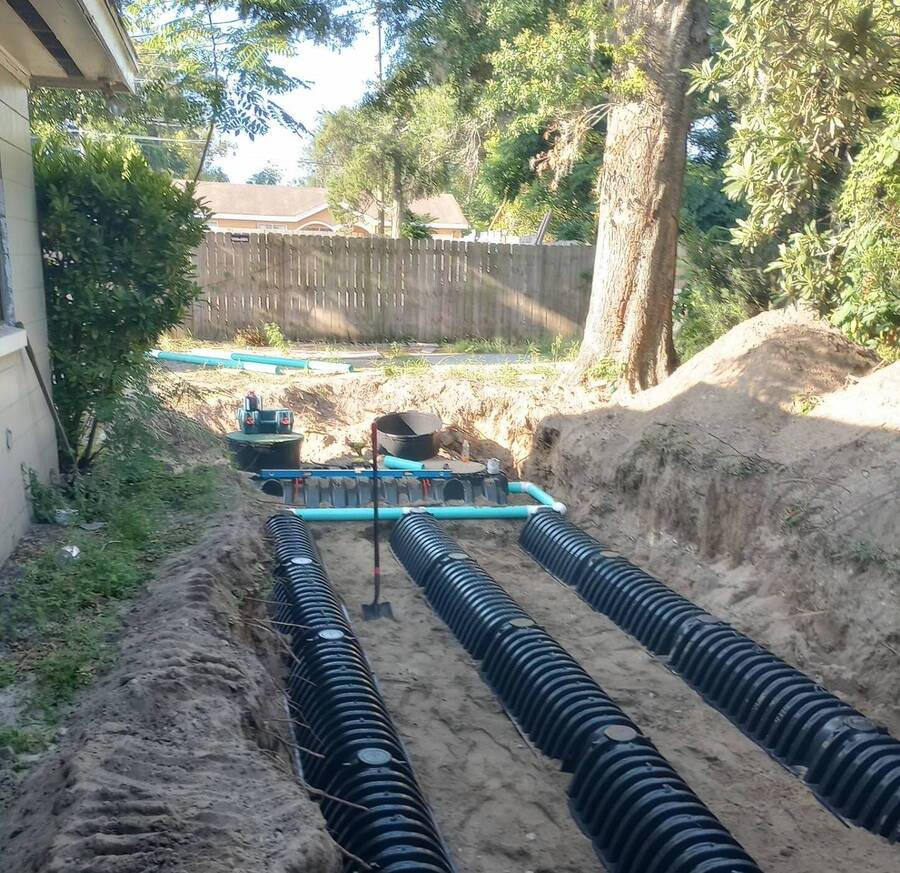
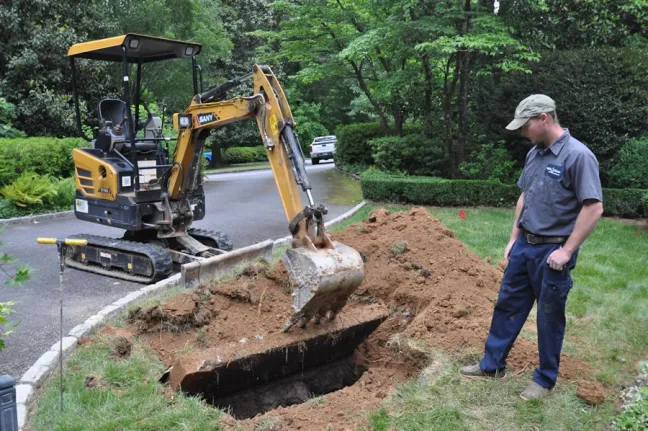
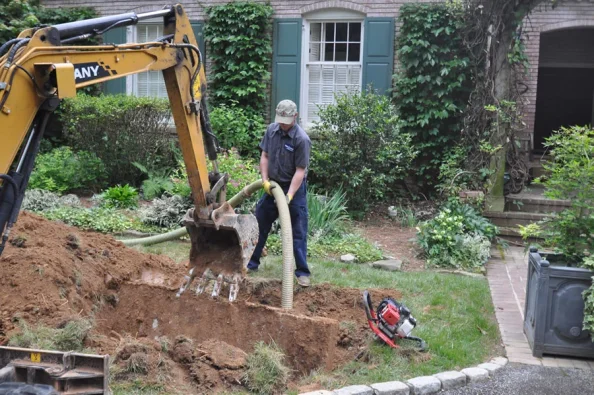
Skipping maintenance doesn't save money. It delays spending until the bill multiplies. A neglected tank allows solids to escape into the drain field, where they clog the perforated pipes and saturate the soil. Once a drain field fails, you can't just pump out the tank and move on. You need excavation equipment, new distribution pipes, fresh gravel, and weeks of labor. Drain field replacement in Hillsborough County isn't cheap, and prices climb higher if your property has difficult access or requires permits for specialized systems. Tank damage adds more costs. Concrete tanks crack under pressure when sludge levels push against weakened walls, and steel tanks can corrode from the inside out. Replacing a septic tank alone costs $3,000 to $7,000 before you factor in the drain field. Compare those figures to five or six septic pumping appointments spread across fifteen years. Prevention costs a fraction of multiple repairs or premature replacement, and it protects your property value at the same time.
Most septic professionals recommend pumping every three to five years, but Tampa's conditions sometimes shorten the window. High water tables in many neighborhoods mean your system works harder to process waste. Sandy soil drains quickly, which sounds beneficial, but it provides less filtration for wastewater before it reaches groundwater. A family of four using a 1,000-gallon tank may hit the pumping threshold closer to three years. Larger tanks or smaller households can extend to five years. Garbage disposals send food into your tank that bacteria can't break down as efficiently. Households with disposals should schedule septic service every two to three years, regardless of tank size. Your septic company can measure sludge levels during an inspection and give you a personalized timeline based on actual accumulation. This prevents unnecessary spending and dangerous delays.
Your system communicates problems before total failure, but you have to recognize the signs. Slow drains throughout the house indicate a full tank or a clogged outlet pipe. One slow drain usually points to a localized blockage, but multiple fixtures draining sluggishly at the same time suggest the septic system can't accept more water. Lush green patches over your drain field look nice until you understand they're growing from extra nutrients in wastewater. Standing water or soggy ground above the drain field means complete saturation. At that point, septic cleaning won't reverse the damage. Gurgling sounds in your plumbing happen when air pockets form in pipes that should contain only liquid. Sewage backup into your home represents the final stage, and remediation costs extend beyond the septic system into flooring, drywall, and sanitization. A single septic service appointment can catch problems at the slow-drain stage before they cause the backup stage.
Septic maintenance pays for itself every time. The cost of prevention stays predictable, but the cost of neglect compounds until it threatens your entire system and your household budget. Tampa's climate and soil conditions make attention even more important than in other regions. Scheduling consistent appointments protects your investment and eliminates emergency calls. Contact Septic Blue of Tampa today to schedule your next inspection or pumping appointment.
Unfortunately, many property owners treat their septic systems with a…
Read More+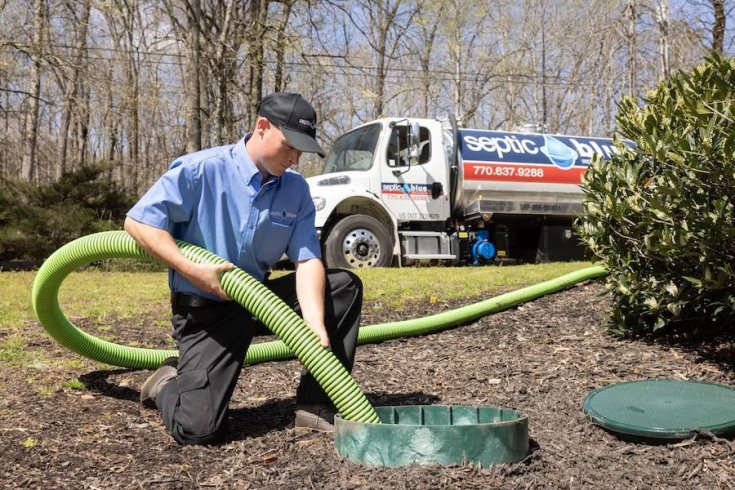
Are you in the market looking for a property? If…
Read More+
Keeping up with home maintenance means looking beyond what you…
Read More+