WE NOT ONLY PUMP YOUR TANK - WE CLEAN IT!
WE NOT ONLY PUMP YOUR TANK - WE CLEAN IT! Up to 36 Months Financing Available
Call Septic Blue Now 813-355-9188
It's Easier Schedule Online
WE NOT ONLY PUMP YOUR TANK - WE CLEAN IT!
WE NOT ONLY PUMP YOUR TANK - WE CLEAN IT! Up to 36 Months Financing Available
Call Septic Blue Now 813-355-9188
It's Easier Schedule Online

Most homeowners don't think about their septic system until something goes wrong, and by then, they're usually facing a repair bill that makes their stomach drop. It's easy to forget about a system that's buried underground, but the out-of-sight-out-of-mind approach is exactly what leads to preventable disasters. Regular septic inspections are the single best way to catch small issues before they become expensive emergencies, yet many homeowners have no idea how often they should schedule one or what the process involves. At Septic Blue of Tampa, we talk to people every week who are shocked to learn their system was on the verge of failure when a simple inspection could have flagged the problem months earlier. Whether you're buying a new home, selling your current property, noticing something off with your drains, or realizing you can't remember the last time a professional looked at your system, understanding when and why inspections matter can save you serious money and stress. We're going to cover the specific situations that call for an inspection, what technicians are actually looking for when they evaluate your system, and how often you should be scheduling this service based on your household and tank size.
By the time you notice sewage backing up into your bathtub or smell something in your yard, the damage has already progressed beyond a quick fix. A cracked baffle might cost a few hundred dollars to repair if caught during a routine check, but that same baffle left ignored for two years can allow solids to flow into your drain field and destroy it entirely. Drain field replacement runs anywhere from $5,000 to $20,000, depending on your property and local regulations. The math here is brutal but simple. A septic company charges between $200 and $500 for a thorough inspection. Compare that to emergency repairs that require excavation, permits, and weeks of disruption to your property. Inspections also catch root intrusion, tank corrosion, and failing components that can all worsen silently for months. You won't know your system is compromised until wastewater has nowhere to go. Scheduling regular inspections transforms your septic maintenance from reactive crisis management into predictable upkeep with minimal costs.
Real estate transactions involving septic systems require documentation that municipal sewer connections don't. Some lenders and title companies want proof that the septic system works properly before they'll approve financing. Sellers benefit from ordering an inspection before listing because it removes a potential obstacle during negotiations. Buyers should never skip this step, regardless of what the seller provides. An independent inspection protects you from inheriting someone else's neglected system. Septic inspections for property transfers should be performed by a qualified professional who can verify tank condition, measure sludge and scum levels, and assess drain field performance. This is also an ideal time to request septic cleaning if the previous owners didn't maintain regular service intervals. The inspection report becomes part of your closing documentation and establishes a baseline for your future maintenance schedule. Walking into a new home with a clear picture of your septic system's health eliminates one of the biggest unknowns in a property purchase.
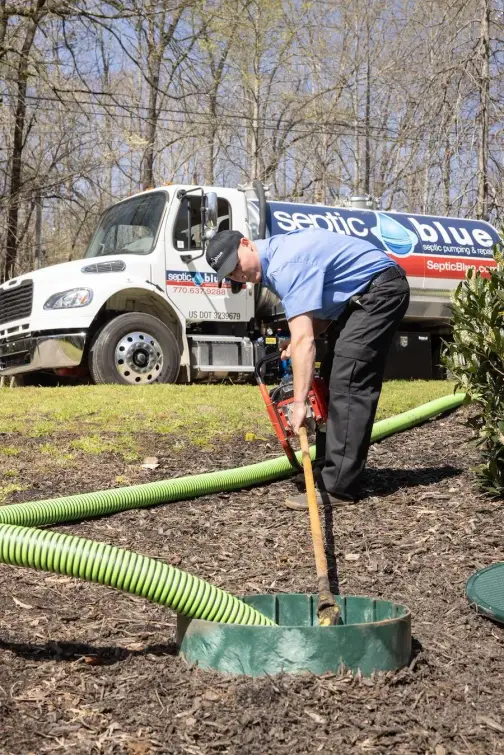
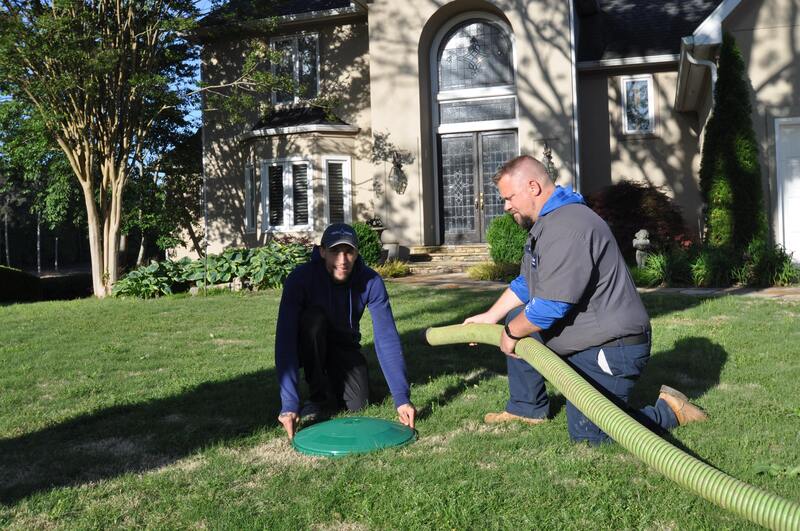
A technician starts by locating your tank and access ports. Many older properties lack accurate records of tank placement. The technician may use a probe or electronic locator to find buried components. Once access is established, the inspection covers several critical areas. The technician measures the depth of the sludge layer at the bottom and the scum layer floating on top. These measurements determine whether septic pumping is needed and how quickly your tank accumulates waste. Baffles receive close examination because they prevent solids from escaping into the drain field. Cracked or missing baffles create serious problems downstream. The technician checks the tank walls and lid for cracks, corrosion, or structural damage. For systems with pumps, alarms, or advanced treatment components, those elements undergo functional testing. The drain field inspection involves checking for wet spots, odors, or surfacing effluent in the area where wastewater disperses into the soil. A complete septic service inspection takes about one to two hours, depending on system complexity and accessibility. You should receive a written report that documents findings and recommendations.
The standard recommendation calls for a septic inspection every three years for conventional systems. Households with garbage disposals, water softeners, or higher-than-average water usage should consider annual inspections because these factors accelerate tank accumulation. Tank size matters too. A 1,000-gallon tank serving a family of four fills faster than a 1,500-gallon tank serving a couple. Your technician can calculate the appropriate inspection and septic cleaning interval based on your specific situation. Systems with mechanical components like pumps and aerators need annual checks because those parts can fail without warning. Florida's humid climate and high water table create additional stress on septic systems compared to drier regions. Sandy soils drain differently from clay. Local conditions influence how quickly problems develop. The best approach tracks your inspection history and adjusts the schedule based on what each evaluation reveals. If consecutive inspections show minimal accumulation, you might extend the interval slightly. If sludge levels rise faster than expected, you shorten it. This data-driven method protects your system without wasting money on unnecessary septic service calls.
Your septic system is an important investment in your property's functionality and value. Protecting your investment requires professional evaluation. Contact Septic Blue of Tampa to schedule your inspection and establish a maintenance plan that fits your household's needs. Our technicians provide thorough assessments, clear reports, and honest recommendations. If you need a reliable septic company in Tampa you can trust, call us today or book online to take control of your septic system's health.
Unfortunately, many property owners treat their septic systems with a…
Read More+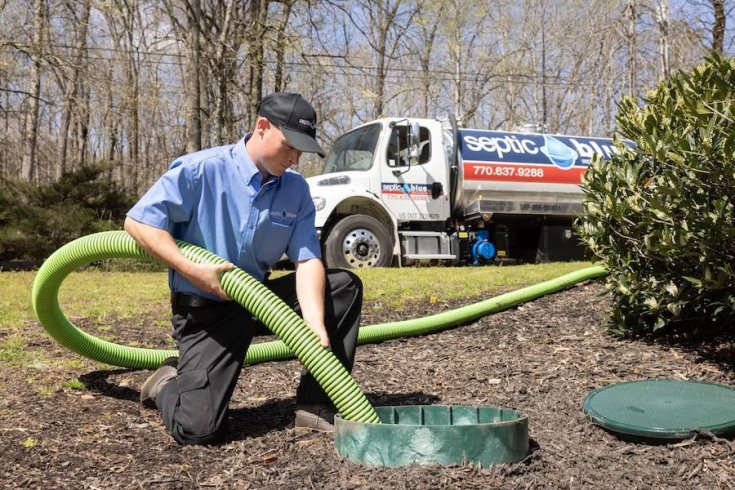
Are you in the market looking for a property? If…
Read More+
Keeping up with home maintenance means looking beyond what you…
Read More+